Our mission is to unlock the potential within each individual and organization through tailored, engaging, and effective safety and emergency response training.

Get in Touch
Get in Touch
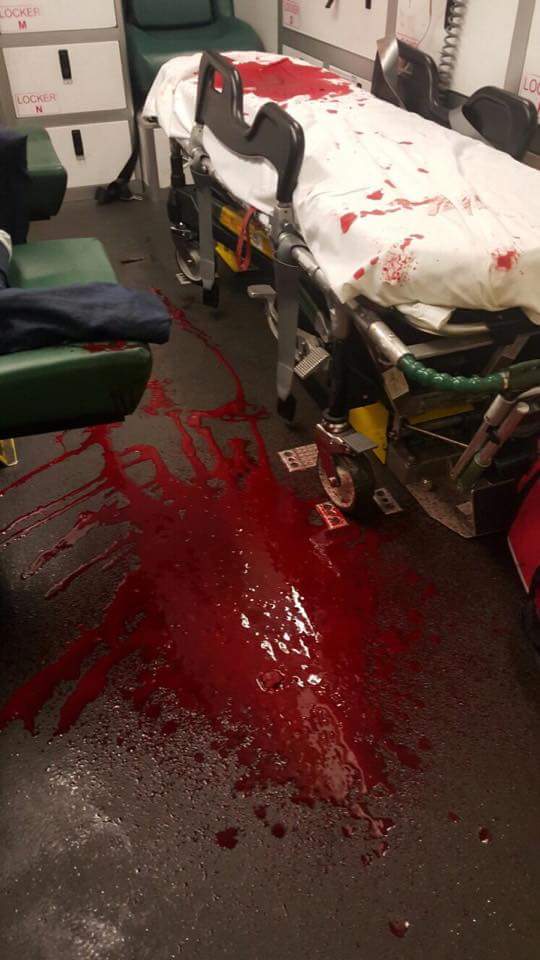
Amputations and severe avulsions in industrial settings are high-stakes injuries that require immediate, skilled intervention. Whether on a construction site, in a printing facility, in machine-operated environments, or in forestry work, the risk of traumatic amputations and avulsions is ever-present. These injuries can range from fingers lost to machinery to full limb amputations and avulsions, where tissue, skin, or even the scalp is violently torn from the body. In this blog, we’ll discuss the trauma associated with these injuries, detailed steps in care, and the necessary level of training for on-site emergency response teams and standby rescue crews.
Traumatic amputations often occur due to machinery, falling objects, or accidents involving sharp or heavy equipment. The forceful nature of these injuries means a high risk of severe bleeding, shock, and contamination, all of which demand rapid and skilled first-aid response.
In addition to amputations, avulsions—a type of injury where tissue is torn away from the body, sometimes with severe blood loss—present their unique challenges. Scalp avulsions, for example, can occur in environments where machinery can snag on long hair, pulling the scalp away with devastating effect.
Uncontrolled bleeding is an immediate life-threatening concern in traumatic amputations and avulsions. Swift action can make the difference between life and death.
Dressing the wound after bleeding is controlled is crucial to prevent infection and further damage:
In some instances, surgical reattachment of the amputated part may be possible. Correct handling of the severed part is essential.
Avulsions may vary from small areas of torn skin to extensive scalp injuries, each requiring a different level of care:
Given the nature of these injuries, on-site emergency response teams must be trained well beyond basic first aid to handle amputations and severe avulsions effectively. Critical components of training should include:
Irish codes of practice, such as those outlined in the Safety, Health, and Welfare at Work (General Application) Regulations 2007, support mandatory training and preparation for high-risk environments. For organisations, this means that standby rescue teams must have regular, practical training tailored to the industry’s specific risks.
Dealing with traumatic injuries like amputations and avulsions requires a confident, skilled, and prepared response. At Overwatch Rescue, we deliver specialised training that equips emergency responders with the critical skills to manage these high-risk scenarios. Our courses focus on practical, hands-on experience in bleeding control, wound care, contamination prevention, and preservation techniques to give your team the confidence to act effectively when every second counts.
Equip your team with the skills they need for real-world emergency response. Contact Overwatch Rescue to arrange comprehensive amputation and avulsion training for your emergency responders. Don’t let your team be unprepared—train with the best to handle the worst.
#TraumaCare #EmergencyResponseTraining #OverwatchRescue #IndustrialSafety #BleedingControl #AmputationResponse #SafetyTraining
