Overwatch
  • Training Services
    • Emergency Response
    • Health & Safety Training
    • Medical Training
  • About Overwatch
  • Contact
  • News

Get in Touch

087 229 1357

Logo

Contact Info

  • Chicago 12, Melborne City, USA
  • +88 01682648101
  • info@example.com

Blog Details

    Overwatch > News > Medical > Managing Amputations in High-Risk Environments: Essential Skills for Emergency Response

November 6, 2024

  • Medical
  • 0 comments

Managing Amputations in High-Risk Environments: Essential Skills for Emergency Response

Amputations and severe avulsions in industrial settings are high-stakes injuries that require immediate, skilled intervention. Whether on a construction site, in a printing facility, in machine-operated environments, or in forestry work, the risk of traumatic amputations and avulsions is ever-present. These injuries can range from fingers lost to machinery to full limb amputations and avulsions, where tissue, skin, or even the scalp is violently torn from the body. In this blog, we’ll discuss the trauma associated with these injuries, detailed steps in care, and the necessary level of training for on-site emergency response teams and standby rescue crews.

Understanding Amputations and Avulsions in High-Risk Environments

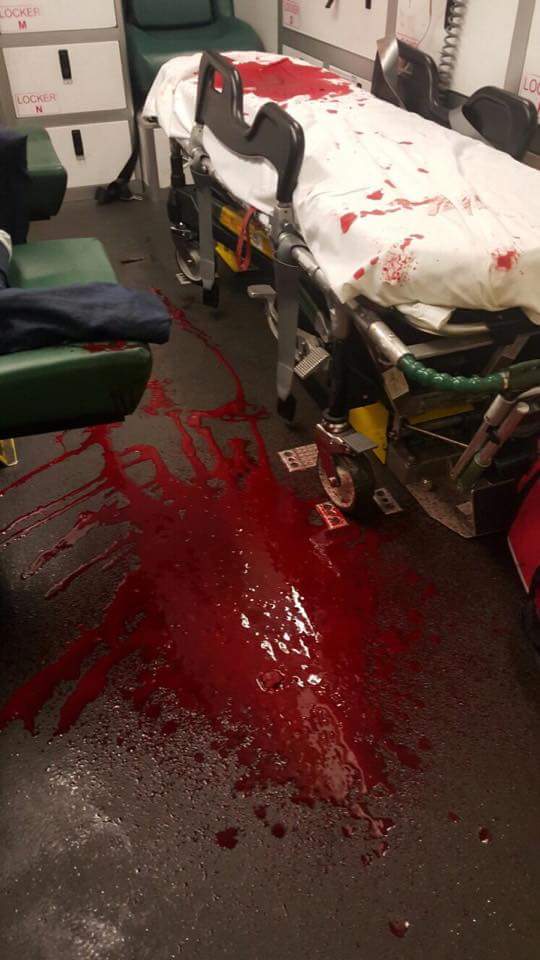
Traumatic amputations often occur due to machinery, falling objects, or accidents involving sharp or heavy equipment. The forceful nature of these injuries means a high risk of severe bleeding, shock, and contamination, all of which demand rapid and skilled first-aid response.

In addition to amputations, avulsions—a type of injury where tissue is torn away from the body, sometimes with severe blood loss—present their unique challenges. Scalp avulsions, for example, can occur in environments where machinery can snag on long hair, pulling the scalp away with devastating effect.

Critical Skills for Managing Amputations and Avulsions

1. Bleeding Control

Uncontrolled bleeding is an immediate life-threatening concern in traumatic amputations and avulsions. Swift action can make the difference between life and death.

  • Tourniquet Application: A tourniquet can be a life-saving tool in cases of severe limb bleeding where direct pressure is insufficient. Apply it 5–7 cm above the injury site, avoiding joints. Tighten until bleeding stops, but constantly monitor to avoid prolonged use, which could cause tissue damage.
  • Direct Pressure and Bandaging: If a tourniquet is not available or appropriate, apply firm pressure to the wound. Pressure bandages can help control bleeding, and haemostatic dressings may be used to stem blood flow further. Ensure bandages are tightly secured, but do not cut off circulation unless as a last resort.

2. Wound Dressing and Contamination Control

Dressing the wound after bleeding is controlled is crucial to prevent infection and further damage:

  • Sterile Dressings: Use sterile dressings on the wound to minimise contamination, particularly important in industrial settings where machinery and tools often introduce bacteria and other contaminants.
  • Layered Padding: Layer dressings are used for avulsions and more extensive wounds, and padding is added as needed to protect exposed tissue. Use non-stick dressings when possible to avoid aggravating the wound upon removal.

3. Preserving the Amputated Part for Possible Reattachment

In some instances, surgical reattachment of the amputated part may be possible. Correct handling of the severed part is essential.

  • Wrap and Cool: Place the amputated part in a sterile, damp dressing (preferably saline-soaked), then wrap it in a clean plastic bag or container. Place this on ice—do not allow direct contact with ice, as freezing can damage tissue, reducing reattachment success.
  • Avoid Immersing in Water: Immersing the severed part directly in water can damage tissue. Moist wrapping and cooling preserve viability until medical professionals take over.

4. Handling Avulsions: From Skin Tears to Scalp Injuries

Avulsions may vary from small areas of torn skin to extensive scalp injuries, each requiring a different level of care:

  • Control Bleeding: Use direct pressure with sterile gauze on avulsions, especially on highly vascular areas such as the scalp.
  • Support the Injured Tissue: If the tissue is still partially attached, gently secure it in place without stretching or twisting, which can damage blood vessels and reduce the chances of reattachment.
  • Dress Lightly: Use non-adhesive dressings to cover the wound and prevent drying. Scalp avulsions may require securing the area carefully to avoid further trauma.

Training Needs for Emergency Responders and Standby Rescue Crews

Given the nature of these injuries, on-site emergency response teams must be trained well beyond basic first aid to handle amputations and severe avulsions effectively. Critical components of training should include:

  • Advanced Trauma Life Support (ATLS): ATLS principles teach responders to assess, stabilise, and provide critical interventions in severe trauma scenarios, making it highly relevant to industrial sites.
  • Haemorrhage Control Techniques: Detailed training on using tourniquets, hemostatic agents, and pressure bandages is essential. Responders must understand how to use these tools properly to prevent complications.
  • Wound Dressing and Contamination Control: Teams should be trained to manage wound dressing with sterile techniques, especially in challenging environments where dirt and contaminants are common.
  • Limb Salvage Procedures: Training on proper preservation of amputated parts can significantly improve the potential for surgical reattachment. Practising simulated severed parts and specific preservation techniques can help responders act swiftly and accurately.
  • Scenario-Based Drills: Regular drills that simulate industrial amputation and avulsion scenarios prepare teams to respond effectively under pressure. Such drills should cover realistic situations, including machinery, confined spaces, or heights, with PPE.

Irish codes of practice, such as those outlined in the Safety, Health, and Welfare at Work (General Application) Regulations 2007, support mandatory training and preparation for high-risk environments. For organisations, this means that standby rescue teams must have regular, practical training tailored to the industry’s specific risks.

Why Train with Overwatch Rescue?

Dealing with traumatic injuries like amputations and avulsions requires a confident, skilled, and prepared response. At Overwatch Rescue, we deliver specialised training that equips emergency responders with the critical skills to manage these high-risk scenarios. Our courses focus on practical, hands-on experience in bleeding control, wound care, contamination prevention, and preservation techniques to give your team the confidence to act effectively when every second counts.

Equip your team with the skills they need for real-world emergency response. Contact Overwatch Rescue to arrange comprehensive amputation and avulsion training for your emergency responders. Don’t let your team be unprepared—train with the best to handle the worst.

#TraumaCare #EmergencyResponseTraining #OverwatchRescue #IndustrialSafety #BleedingControl #AmputationResponse #SafetyTraining

Mark Hyland

Leave a Comment Cancel Reply

Your email address will not be published.*

Recent Posts

0 comments
Rope Rescue Techniques for Confined Spaces
0 comments
The Basics of Safety and Equipment for Suspended Patient Rescue
0 comments
Navigating the Complexities of Medical Care in Confined Spaces and at Heights

Categories

  • Confined Space (2)
  • Emergency Response (7)
  • Health and Safety (1)
  • Medical (4)
  • Rescue (2)
  • Resilience in emergency response (18)

Overwatch

Our mission is to unlock the potential within each individual and organization through tailored, engaging, and effective safety and emergency response training.

Get in Touch

087 229 1357

Services

  • Emergency Response
  • Health & Safety Training
  • Medical Training

Links

  • Contact Us
  • News
  • About

All Rights Reserved. Copyright Overwatch 2024 ©