Overwatch
  • Training Services
    • Emergency Response
    • Health & Safety Training
    • Medical Training
  • About Overwatch
  • Contact
  • News

Get in Touch

087 229 1357

Logo

Contact Info

  • Chicago 12, Melborne City, USA
  • +88 01682648101
  • info@example.com

Blog Details

    Overwatch > News > Resilience in emergency response > Understanding Orthostatic Shock: Myths, Realities, and Essential Rescue Preparation

November 1, 2024

  • Resilience in emergency response
  • 0 comments

Understanding Orthostatic Shock: Myths, Realities, and Essential Rescue Preparation

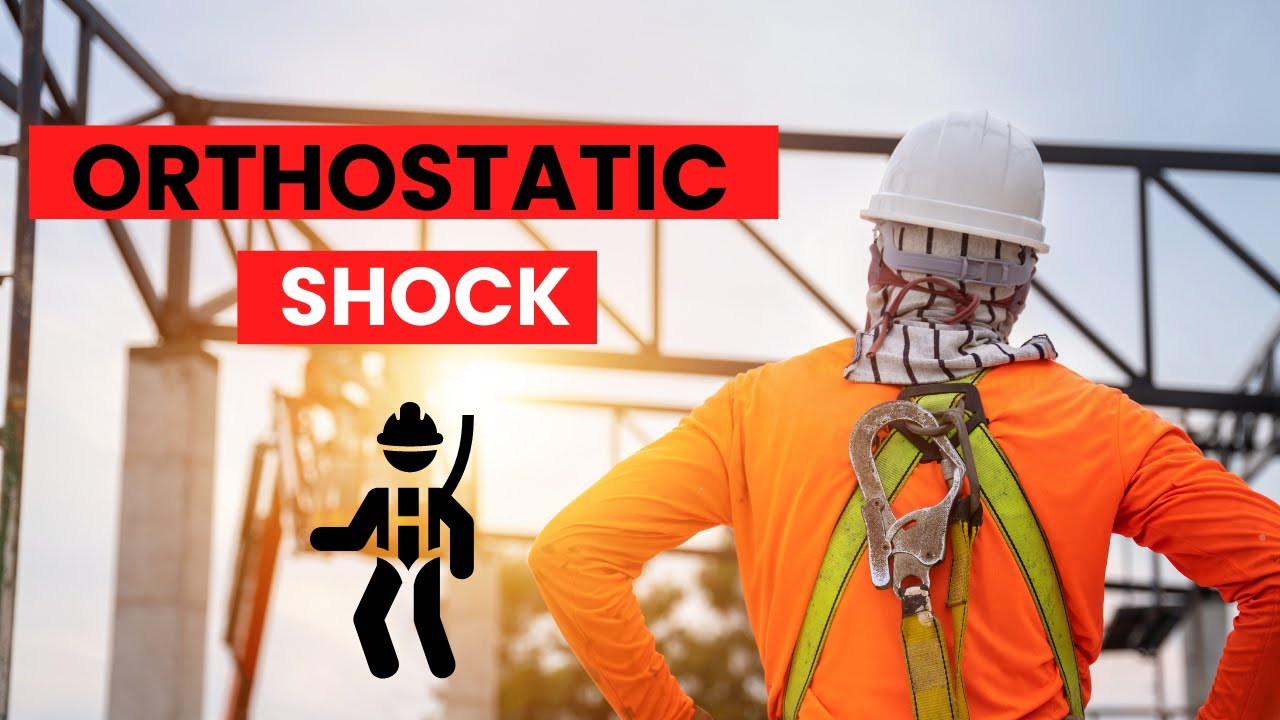
Orthostatic shock, often called suspension trauma, can occur when someone is immobilised in a vertical position, such as hanging in a harness after a fall. While this condition poses real risks, myths about rapid fatality are common. In this blog, we’ll break down the physiological process of orthostatic shock, clarify misconceptions, and explain the importance of proper rescue planning, harness selection, and equipment use when working at heights.

What is Orthostatic Shock?

Orthostatic shock happens when blood pools in the lower body due to prolonged immobility in an upright position, reducing blood flow back to the heart. Here’s how the process typically unfolds:

  1. Initial Stages (0-5 Minutes): Upon being suspended, blood starts to pool in the legs due to gravity. However, symptoms are usually minimal at this point, as circulation is still sufficient.
  2. Early Symptoms (5-15 Minutes): Without movement, the heart’s capacity to pump blood effectively diminishes, leading to dizziness, nausea, and sweating. At this stage, pressure builds in the lower body, straining the cardiovascular system.
  3. Advanced Stages (15-30 Minutes): Blood pooling reaches critical levels, leading to a significant drop in blood pressure. Oxygen supply to the brain decreases, causing faintness or unconsciousness.
  4. Critical Stage (Beyond 30 Minutes): If left hanging without movement or rescue, the risk of organ damage increases, but fatalities are rare and occur only with prolonged immobilisation. Effective rescue and first aid typically prevent serious outcomes.

When a person is immobilised in an upright position, such as hanging in a harness, blood pools in the lower extremities. As circulation is restricted and muscles become oxygen-deprived, several biochemical changes occur in the legs, leading to the buildup of potentially dangerous compounds. These changes can pose significant health risks if not managed carefully once the individual is brought to the ground.

Understanding the Compounds Released and Their Causes

  1. Lactic Acid: When muscles are deprived of oxygen, they switch to anaerobic metabolism, producing lactic acid as a byproduct. This causes the muscles to become acidic, leading to cramping, pain, and eventually a harmful buildup that can enter the bloodstream when circulation is restored.
  2. Potassium and Other Electrolytes: Prolonged pressure and reduced blood flow in the legs cause cell membranes to become permeable, releasing potassium and other electrolytes into the bloodstream upon resuscitation. Excessive potassium levels (hyperkalemia) can impact heart rhythm, leading to arrhythmias and, in severe cases, cardiac arrest.
  3. Myoglobin: As muscle cells are deprived of oxygen, they can break down, releasing a protein called myoglobin into the bloodstream. Elevated myoglobin levels strain the kidneys and can lead to a potentially dangerous condition known as rhabdomyolysis, which, if unchecked, may cause kidney failure.

Timeline of Chemical Release and Effects

  • First 15-30 Minutes: There is initial pooling of blood and mild electrolyte imbalance. The body can still tolerate minor imbalances if circulation is resumed gradually.
  • Beyond 30 Minutes: Cells in the muscles and tissues begin to break down, releasing potassium, lactic acid, and myoglobin in higher concentrations.
  • Beyond 60 Minutes: Significant levels of toxic compounds build up in the legs, posing severe risk upon re-circulation.

How to Safely Manage a Suspended Patient Upon Grounding

  1. Gradual Positioning: When bringing a suspended person to the ground, avoid placing them immediately in a fully horizontal position. Instead, allow them to lie slightly elevated or gradually ease from seated to lying to prevent a rapid “washout” of chemicals into the bloodstream.
  2. Monitor Vital Signs: Closely watch for shock, arrhythmias, or distress, particularly in the first few minutes after grounding. Medical personnel may use intravenous fluids or medications to help stabilise electrolytes and manage sudden changes.
  3. Medical Support: For cases involving prolonged suspension, it’s essential to have a trained responder who can administer first aid and coordinate with EMS for advanced support. If kidney strain is significant, intravenous fluids and even dialysis may be necessary.

Why Fast, Skilled Response Matters

Proper grounding procedures and rescue techniques are essential to minimise the dangers posed by compound release. Responders trained in suspension trauma protocols can take preventive measures, ensuring that grounding is done safely and methodically to protect the patient from secondary complications.

Myth Debunked: Orthostatic Shock Does Not Cause Instant Death

One of the biggest misconceptions about orthostatic shock is that it causes rapid death. In reality, the progression of symptoms is gradual, and fatalities are rare with timely intervention. Understanding this timeline helps inform appropriate rescue procedures without unnecessary panic.

What to Aim for When Working at Heights: Rescue Plans and Preparedness

Having a comprehensive rescue plan is essential when there’s a fall risk. A successful rescue plan includes the following components:

  • Immediate Response Readiness: Aim for a well-rehearsed response where at least one team member is trained in proper rescue techniques.
  • Timing: To reduce the risk of orthostatic shock, an effective rescue should ideally occur within 10-15 minutes of the incident.
  • Post-Rescue Protocol: Ensure individuals are carefully monitored and gradually transitioned from suspension to a horizontal position to prevent further complications.

Harness Selection and Fall Arrest Equipment

Not all harnesses are created equal. The correct harness and fall arrest system can significantly affect comfort, safety, and response time during a rescue. Here’s what to look for:

  • Harness Type: Full-body harnesses are essential for fall arrest, as they distribute force more evenly across the body, minimising strain on any area.
  • Positioning: Ensure the harness keeps the individual upright and comfortable. Suspension trauma relief straps allow the wearer to relieve pressure on their legs and can reduce the risk of prolonged suspension.
  • Fall Arrest Lanyards and Connectors: Shock-absorbing lanyards are designed to reduce the impact force of a fall, while self-retracting lifelines (SRLs) offer controlled deceleration and prevent sudden drops.

Types of Rescue Kits and Their Importance

Rescue kits should be selected based on the specific conditions of the work environment. The main types include:

  • Basic Manual Rescue Kits: These include ropes and pulleys, providing a simple but effective means of lifting and lowering a person in the event of a fall.
  • Mechanical Advantage Kits: These kits use advanced pulley systems to reduce the effort required to lift a person, making rescues easier, especially in confined spaces.
  • Self-Rescue Kits: Certain self-rescue systems allow individuals to lower themselves to safety following a fall. These are particularly useful in isolated or remote work areas.

Why Overwatch Rescue for Fall Protection Training?

At Overwatch Rescue, we emphasise thorough preparation for work at heights. Our training programs teach teams how to use fall arrest systems, select the right equipment, and perform effective rescues in real-world scenarios. Through hands-on practice, we build the skills and confidence teams need to respond rapidly and safely, minimising risks associated with orthostatic shock.


Train with Overwatch Rescue

Equip your team with essential skills for working at heights and managing orthostatic shock risks. Our training includes comprehensive instruction on fall protection equipment, rescue planning, and emergency response techniques. Ensure your team is prepared for any scenario—contact Overwatch Rescue today to schedule your training.

#OrthostaticShock #SuspensionTrauma #FallProtection #RescuePlanning #OverwatchRescue #SafetyAtHeights

Mark Hyland

Leave a Comment Cancel Reply

Your email address will not be published.*

Recent Posts

0 comments
Rope Rescue Techniques for Confined Spaces
0 comments
The Basics of Safety and Equipment for Suspended Patient Rescue
0 comments
Navigating the Complexities of Medical Care in Confined Spaces and at Heights

Categories

  • Confined Space (2)
  • Emergency Response (7)
  • Health and Safety (1)
  • Medical (4)
  • Rescue (2)
  • Resilience in emergency response (18)

Overwatch

Our mission is to unlock the potential within each individual and organization through tailored, engaging, and effective safety and emergency response training.

Get in Touch

087 229 1357

Services

  • Emergency Response
  • Health & Safety Training
  • Medical Training

Links

  • Contact Us
  • News
  • About

All Rights Reserved. Copyright Overwatch 2024 ©