Our mission is to unlock the potential within each individual and organization through tailored, engaging, and effective safety and emergency response training.

Get in Touch
Get in Touch
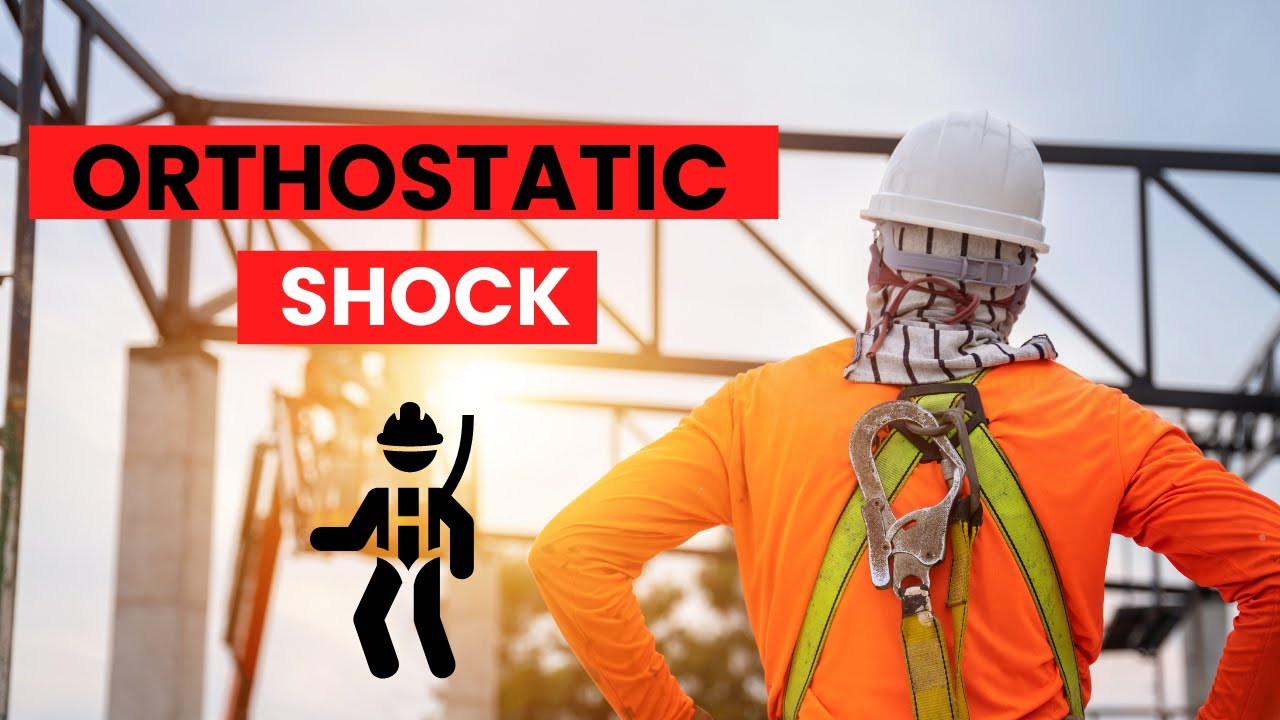
Orthostatic shock, often called suspension trauma, can occur when someone is immobilised in a vertical position, such as hanging in a harness after a fall. While this condition poses real risks, myths about rapid fatality are common. In this blog, we’ll break down the physiological process of orthostatic shock, clarify misconceptions, and explain the importance of proper rescue planning, harness selection, and equipment use when working at heights.
Orthostatic shock happens when blood pools in the lower body due to prolonged immobility in an upright position, reducing blood flow back to the heart. Here’s how the process typically unfolds:
When a person is immobilised in an upright position, such as hanging in a harness, blood pools in the lower extremities. As circulation is restricted and muscles become oxygen-deprived, several biochemical changes occur in the legs, leading to the buildup of potentially dangerous compounds. These changes can pose significant health risks if not managed carefully once the individual is brought to the ground.
Proper grounding procedures and rescue techniques are essential to minimise the dangers posed by compound release. Responders trained in suspension trauma protocols can take preventive measures, ensuring that grounding is done safely and methodically to protect the patient from secondary complications.
One of the biggest misconceptions about orthostatic shock is that it causes rapid death. In reality, the progression of symptoms is gradual, and fatalities are rare with timely intervention. Understanding this timeline helps inform appropriate rescue procedures without unnecessary panic.
Having a comprehensive rescue plan is essential when there’s a fall risk. A successful rescue plan includes the following components:
Not all harnesses are created equal. The correct harness and fall arrest system can significantly affect comfort, safety, and response time during a rescue. Here’s what to look for:
Rescue kits should be selected based on the specific conditions of the work environment. The main types include:
At Overwatch Rescue, we emphasise thorough preparation for work at heights. Our training programs teach teams how to use fall arrest systems, select the right equipment, and perform effective rescues in real-world scenarios. Through hands-on practice, we build the skills and confidence teams need to respond rapidly and safely, minimising risks associated with orthostatic shock.
Train with Overwatch Rescue
Equip your team with essential skills for working at heights and managing orthostatic shock risks. Our training includes comprehensive instruction on fall protection equipment, rescue planning, and emergency response techniques. Ensure your team is prepared for any scenario—contact Overwatch Rescue today to schedule your training.
#OrthostaticShock #SuspensionTrauma #FallProtection #RescuePlanning #OverwatchRescue #SafetyAtHeights
