Our mission is to unlock the potential within each individual and organization through tailored, engaging, and effective safety and emergency response training.

Get in Touch
Get in Touch
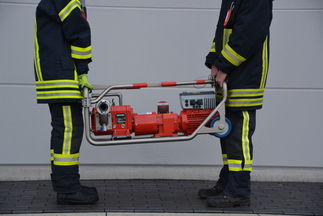
Firefighting is a high-risk activity, and the tools and techniques must ensure the safety of fire responders and anyone nearby. One of the most critical aspects of fire safety is understanding how to manage water pressure during fire suppression efforts. While hydrants are vital to firefighting infrastructure, connecting a hose and nozzle directly to a hydrant—without a pump to regulate the pressure—can result in catastrophic consequences, including injuries and even deaths. In this blog post, we’ll explore the dangers of this practice, explain why a pump is essential, and provide real-world examples of incidents where loss of control over a pressurised hose caused severe harm.
Hydrants are crucial water sources designed to provide high volumes of water for firefighting. These hydrants are often connected to a network of underground pipes called ring mains, which are also used to supply sprinkler systems and other fire safety infrastructure. These systems can operate at pressures exceeding 10 bar, ensuring enough water to suppress large fires quickly.
However, the pressure in these hydrants is typically far too high for direct firefighting use. If fire crews connect a hose and nozzle directly to a hydrant, they are exposed to water pressure exceeding safe operational limits, leading to significant hazards.
High water pressure from a hydrant can cause several dangerous outcomes, mainly if there’s no pump or pressure-regulating device between the hydrant and the hose. These dangers include:
At pressures of 10 bar or more, the force exerted on the hose can become unmanageable. The firefighter at the branch (nozzle) may lose control, leading to erratic hose movement. High-pressure water can cause the hose to whip violently, potentially injuring the firefighter holding it or nearby personnel. This loss of control can also damage surrounding property or equipment.
The force exerted by high-pressure water can cause serious physical injuries to firefighters. When a hose operating under extreme pressure slips from the firefighter’s grasp or behaves unpredictably, it can knock them to the ground or cause them to lose their footing, resulting in injuries such as broken bones, concussions, or even death.
Handling high-pressure hoses is physically demanding. Even if a firefighter maintains control of the hose, the strain on their body can lead to rapid fatigue. This exhaustion increases the likelihood of losing control, decreases operational effectiveness, and increases the risk of accidents.
When water flowing at high pressure is suddenly stopped—such as when a nozzle is closed abruptly—this can result in a phenomenon known as water hammer. Water hammer sends shockwaves through the hose and the connected piping, which can cause pipes to burst or fittings to fail. The firefighter holding the hose may be thrown off balance or injured by the sudden jolt.
The solution to these hazards is simple: a pump should always be between the hydrant and the hose. Here’s why:
A pump regulates the water pressure delivered to the nozzle. Instead of dealing with dangerous pressure levels from a hydrant, a pump can reduce the pressure to a safer level—typically between 4 and 7 bar—allowing the branch person to control the hose more effectively and with less physical strain. This makes firefighting efforts safer and more efficient.
Pumps are designed to provide a steady, consistent water flow, preventing sudden surges or drops in pressure that could destabilise the hose or lead to a water hammer effect. This allows firefighters to suppress fires safely and effectively without the risk of losing control of the equipment.
Not all fire situations are the same. Some fires require high pressure for deep penetration into burning materials, while others need low pressure to avoid property damage or reduce the spread of hazardous materials. A pump allows the operator to adjust the water pressure based on the specific needs of the fire response, giving the team flexibility without compromising safety.
Unfortunately, real-world incidents have tragically demonstrated the dangers of directly connecting to a hydrant without pressure control. Here are a few examples:
In a notable incident, a firefighter connected a hose directly to a high-pressure hydrant during an emergency response. Without a pump to regulate the pressure, the water pressure exceeded 10 bar. The firefighter lost control of the hose, which whipped uncontrollably, striking him in the head. The force of the impact instantly killed him.
In another incident, a firefighter sustained severe injuries after being knocked to the ground by a hose connected directly to a hydrant. The high-pressure water caused the hose to jerk violently when the nozzle was opened. The firefighter fractured his wrist and ribs as a result, leading to months of recovery and lost work time.
These cases underscore the importance of proper equipment use and pumps’ critical role in ensuring the safe management of water pressure.
Many companies have ring mains that supply water to sprinkler systems and hydrants. These systems often operate at high pressures—sometimes 10 bar or more. While this pressure is necessary to ensure the sprinklers can effectively suppress fires, it’s far too high for manual firefighting operations. This is why it’s risky to connect a hose directly to a hydrant that receives power from a ring main.
The same principle applies to industrial environments where fire pumps maintain pressure in the system. Using hydrants or outlets connected to these systems can be extremely hazardous without proper pressure control via a firefighting pump.
To ensure safety when using hydrants and high-pressure water sources, fire services and industrial safety teams should follow these best practices:
Firefighting is challenging and dangerous, and safety must always come first. Connecting a hose directly to a hydrant without a pump to regulate water pressure puts firefighters at severe risk of injury or death. The force of high-pressure water cannot be easily controlled without the proper equipment, and the consequences of ignoring this reality are too significant to ignore.
At Overwatch Rescue, we emphasise the importance of using the right tools, including pumps, for pressure control in fire safety operations. By following best practices and prioritising safety, we can ensure that firefighting efforts are practical while minimising the risk to those on the front lines.
#FirefightingSafety #HydrantHazards #WaterPressureControl #EmergencyResponseTraining #FirefighterSafety #PressureManagement #IndustrialFireSafety #OverwatchRescue #FireSuppressionSystems #WorkplaceSafety #HighPressureDangers #FirePump
