Our mission is to unlock the potential within each individual and organization through tailored, engaging, and effective safety and emergency response training.

Get in Touch
Get in Touch
In our previous posts, we covered essential life-saving skills: CPR techniques to sustain circulation during cardiac arrest and advanced bleeding control methods to manage severe haemorrhages. Today, we combine these topics with exploring the physiology behind the cardiac arrest and arterial bleeding, revealing why every second counts and how practised response skills can make all the difference in an emergency.
When faced with emergencies like cardiac arrest or an arterial bleed, speed of response can be the difference between life and death. Understanding what the body experiences during these critical moments—and how quickly damage progresses—highlights why well-rehearsed drills and practised emergency protocols are essential. In this blog, we’ll explore the physiological processes behind cardiac arrest and arterial bleeding, the time-critical nature of these events, and the importance of fast, skilled intervention.
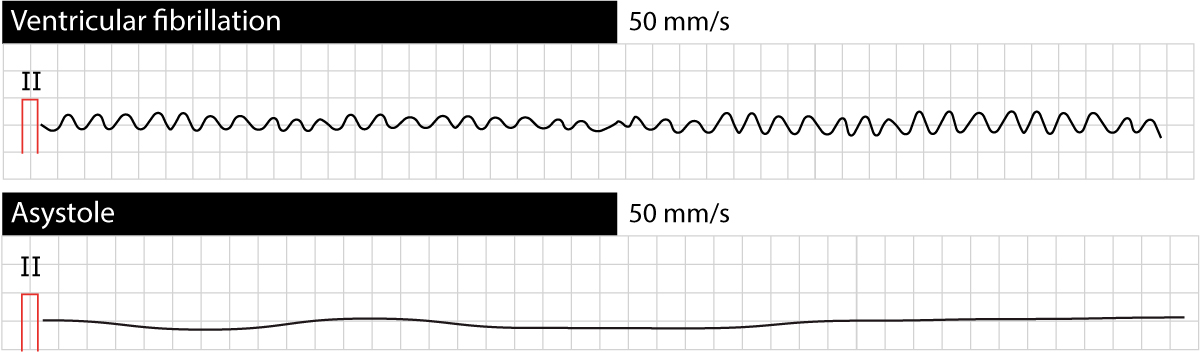
Cardiac arrest is the sudden cessation of heart function, stopping blood flow and depriving vital organs of oxygen. Here’s what happens, step-by-step:
Effective CPR, with minimal interruptions, is vital to keep oxygenated blood circulating to the brain and organs until professional help arrives or an AED can be used. Studies show that for every minute CPR or defibrillation is delayed, survival rates decrease by about 10%. Practised drills help responders perform high-quality CPR, significantly improving survival odds during these critical moments.
An arterial bleed—where blood spurts from a severed artery under high pressure—can lead to severe blood loss within minutes. This type of bleeding is a medical emergency because of the rapid rate of blood loss, which leads to shock and, if not controlled, death. Here’s the timeline of events in an arterial bleed:
When it comes to cardiac arrest or an arterial bleed, seconds genuinely matter. Quick, accurate action is vital to prevent irreversible damage. Regularly practising emergency drills ensures responders can act swiftly and decisively under pressure. Familiarity with the process builds muscle memory, allowing for a seamless response even in high-stress situations.
At Overwatch Rescue, we specialise in training that prepares teams to respond efficiently to emergencies like cardiac arrest and severe bleeding. Our training programs emphasise foundational skills—such as high-quality CPR and bleeding control—and advanced techniques, including tourniquet use, airway management, and team-based response. Through realistic, hands-on drills, we help teams build the confidence and muscle memory needed for quick, effective action when every second counts.
Train with Overwatch Rescue
Well-trained teams save lives. Our comprehensive emergency response training equips you with the skills to act quickly and confidently in critical situations. Whether mastering CPR, learning bleeding control, or refining your team’s response time, Overwatch Rescue provides the knowledge and practice your team needs.
Contact Overwatch Rescue today to schedule your training session.
#EmergencyResponse #CardiacArrest #BleedingControl #CPRTraining #OverwatchRescue #ArterialBleeds #FirstAidSkills
