Overwatch
  • Training Services
    • Emergency Response
    • Health & Safety Training
    • Medical Training
  • About Overwatch
  • Contact
  • News

Get in Touch

087 229 1357

Logo

Contact Info

  • Chicago 12, Melborne City, USA
  • +88 01682648101
  • info@example.com

Blog Details

    Overwatch > News > Resilience in emergency response > Bleeding Control: Essential Skills That Can Save Lives

October 23, 2024

  • Resilience in emergency response
  • 0 comments

Bleeding Control: Essential Skills That Can Save Lives

Severe external bleeding should never be a death sentence. With the proper training, life-threatening bleeding can be managed effectively. However, introductory first aid courses often fail to teach the critical skills to control severe haemorrhages. In this blog, we’ll explore advanced bleeding control techniques, including using tourniquets, Israeli bandages, haemostatic dressings, and wound packing, and explain why these skills are crucial in high-risk environments.

Understanding the Basics of Bleeding Control

While minor cuts and scrapes can often be managed with simple bandaging, more severe bleeding—whether from a deep laceration or an amputation—requires immediate and effective intervention. Here’s a brief overview of how to stop external bleeding:

  1. Apply direct pressure: Using a clean cloth or gauze, apply firm pressure to the wound to slow down or stop the bleeding.
  2. Elevate the injured limb: If possible, raise the injured area above the heart to reduce blood flow to the wound.
  3. Use pressure points: If direct pressure and elevation aren’t enough, pressing on major arteries can help slow the bleeding.

These methods work for minor injuries but might not be enough for severe trauma. This is where advanced techniques like tourniquets and hemostatic dressings come into play.

Introducing the Tourniquet: How It Works and Myths Debunked

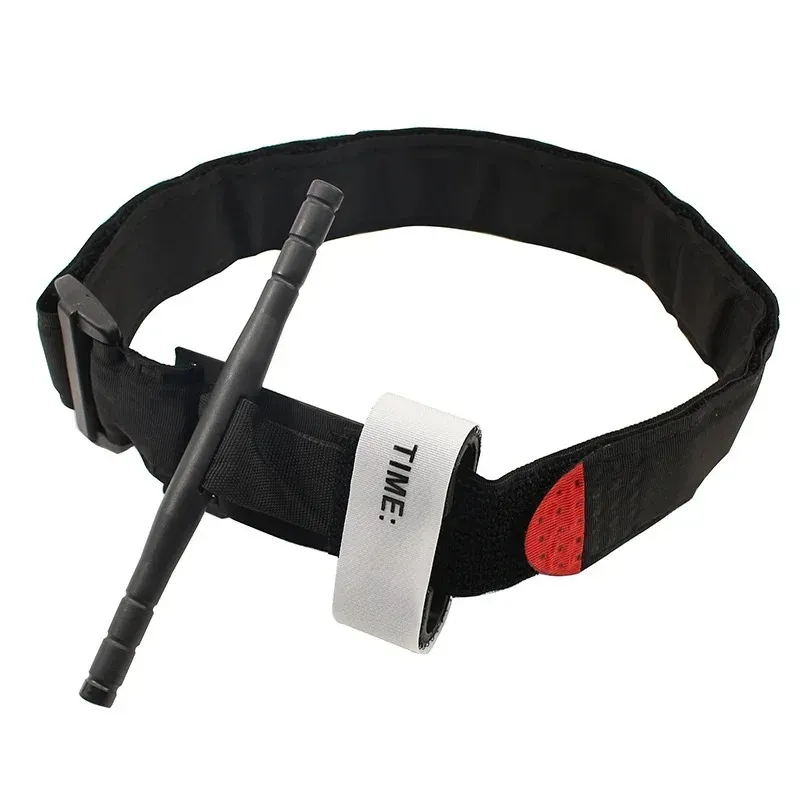
A tourniquet is a crucial tool for controlling severe bleeding in a limb when other methods fail. A tourniquet constricts blood vessels by applying pressure above the wound site, effectively stopping blood flow to the injured area. Here’s how to use a tourniquet:

  1. Place the tourniquet 2-3 inches above the wound (not directly over a joint).
  2. Tighten the strap until the bleeding stops.
  3. Record the time of application and leave the tourniquet in place until professional help arrives.

Common Myths About Tourniquets

There’s a lot of misinformation about tourniquet use, leading some to hesitate to apply one in an emergency. Let’s clear up a few common myths:

  • Myth: Tourniquets will cause the loss of a limb. When applied correctly and within a reasonable time frame, tourniquets can safely be used without permanent damage.
  • Myth: Tourniquets should be released periodically. Once applied, they should stay in place until a medical professional can evaluate the injury. Releasing them prematurely could cause the patient to lose even more blood.

Israeli Bandages and Hemostatic Dressings: Enhanced Bleeding Control

In addition to tourniquets, other specialised tools like Israeli bandages and haemostatic dressings can help manage severe wounds.

  • Israeli Bandages: These are pressure bandages that can apply robust and consistent pressure over a wound, stopping bleeding and stabilising the injury. Their built-in pressure bar allows responders to secure the bandage without additional help.
  • Haemostatic Dressings and Wound Packing: These dressings contain clotting agents that help blood clot faster. They are beneficial for deep wounds where a tourniquet cannot be applied, such as neck, shoulder, or groin injuries. By packing the wound with hemostatic gauze, you can promote clotting at the source of the bleeding.

Why These Skills Matter in High-Risk Environments

Bleeding control techniques are essential in environments where the risk of traumatic injury is high, such as:

  • Industrial Settings: Accidents involving machinery like saws and chainsaws can lead to severe limb injuries. A quick and effective response using a tourniquet or pressure bandage could be the difference between life and death.
  • Military and Law Enforcement: Gunshot wounds, explosions, and other forms of trauma are common in combat or police work. In these high-pressure scenarios, having the skills and tools to stop severe bleeding can save lives before advanced medical care is available.
  • Construction and Remote Work: Jobs in hazardous environments, such as construction sites or remote locations, require workers to be equipped with the knowledge to handle severe injuries, mainly when immediate medical help is not nearby.

Train with Overwatch Rescue

Mastering bleeding control is essential to any emergency response plan, especially in high-risk industries. At Overwatch Rescue, we offer hands-on training in advanced bleeding control techniques, including using tourniquets, Israeli bandages, and hemostatic dressings properly. Don’t leave your team’s safety to chance—prepare them to confidently handle severe injuries.

Contact Overwatch Rescue today to schedule your advanced first aid and bleeding control training.

#BleedingControl #FirstAidTraining #EmergencyResponse #TourniquetUse #IsraeliBandage #HemostaticDressing #OverwatchRescue

Mark Hyland

Leave a Comment Cancel Reply

Your email address will not be published.*

Recent Posts

0 comments
Rope Rescue Techniques for Confined Spaces
0 comments
The Basics of Safety and Equipment for Suspended Patient Rescue
0 comments
Navigating the Complexities of Medical Care in Confined Spaces and at Heights

Categories

  • Confined Space (2)
  • Emergency Response (7)
  • Health and Safety (1)
  • Medical (4)
  • Rescue (2)
  • Resilience in emergency response (18)

Overwatch

Our mission is to unlock the potential within each individual and organization through tailored, engaging, and effective safety and emergency response training.

Get in Touch

087 229 1357

Services

  • Emergency Response
  • Health & Safety Training
  • Medical Training

Links

  • Contact Us
  • News
  • About

All Rights Reserved. Copyright Overwatch 2024 ©