Our mission is to unlock the potential within each individual and organization through tailored, engaging, and effective safety and emergency response training.

Get in Touch
Get in Touch
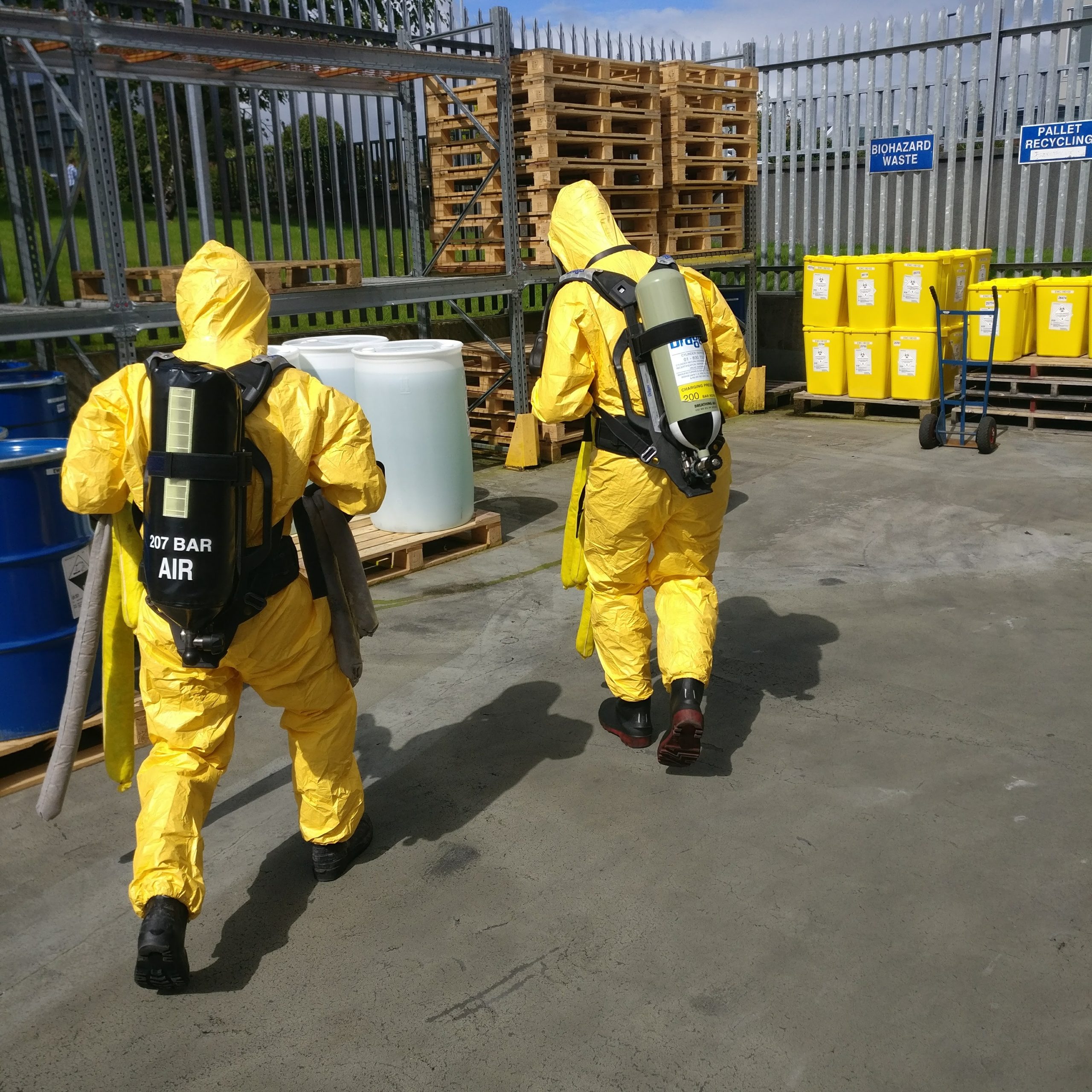
In today’s volatile and unpredictable world, businesses must be prepared for a wide range of emergencies. From chemical spills and fires to confined space and height incidents, the potential for accidents is a constant concern. However, companies that invest in comprehensive emergency response training for their employees can safeguard their operations, reduce costs, and ensure business continuity. This blog explores how effective and timely emergency response training can save companies substantial amounts of money and enhance overall workplace safety and satisfaction.
Emergency response training equips employees with the skills and knowledge to handle various emergencies efficiently. This training encompasses a wide range of scenarios, including:
1. Reduced Insurance Costs
Insurance premiums are a significant expense for businesses. Companies that invest in comprehensive emergency response training can often negotiate lower premiums. Insurers recognize that well-trained employees are less likely to be involved in serious accidents, reducing the risk of costly claims. Moreover, a demonstrated commitment to safety can lead to additional discounts and benefits.
2. Minimized Operational Downtime
Emergencies can disrupt business operations, leading to significant financial losses. Effective training ensures that employees can respond swiftly and appropriately, minimizing downtime. For instance, a well-trained team can contain a chemical spill or extinguish a fire before it spreads, preventing prolonged site evacuations and costly interruptions.
3. Lowered Risk of Regulatory Fines
Non-compliance with safety regulations can result in hefty fines and legal expenses. Training programs that adhere to industry standards and regulations help companies avoid these penalties. Employees who understand the legal requirements and best practices are better equipped to maintain compliance, protecting the company from financial and reputational damage.
4. Decreased Compensation and Medical Costs
Workplace injuries can lead to substantial compensation and medical costs. By training employees in advanced first aid and emergency response, companies can reduce the severity of injuries and the associated expenses. Immediate and effective response to injuries, such as advanced bleeding control and respiratory support, can prevent complications and reduce the need for extensive medical treatment.
Investing in employee training not only benefits the company financially but also enhances job satisfaction and retention. Employees who feel confident in their ability to handle emergencies are more likely to feel valued and secure in their roles. This sense of empowerment can lead to increased morale and job satisfaction, resulting in higher retention rates and reduced recruitment costs.
Specialized training programs are essential for preparing employees to handle specific emergencies. Here are some examples of how targeted training can make a difference:
Chemical Spills Response Training
Chemical spills can pose significant health and environmental risks. Employees trained in hazardous materials handling and spill response can act quickly to contain and neutralize spills, preventing widespread contamination. This training includes the use of personal protective equipment (PPE), spill containment procedures, and decontamination techniques.
Fire Safety and Response Training
Fire emergencies require immediate and decisive action. Training programs that focus on fire safety educate employees on fire prevention measures, evacuation procedures, and the use of fire extinguishers. Additionally, advanced training in fire response equips designated personnel with the skills to combat small fires and coordinate with emergency services.
Confined Space and Heights Safety Training
Working in confined spaces and at heights presents unique risks. Specialized training programs teach employees how to assess hazards, use safety equipment, and execute rescue operations. This training is crucial for industries such as construction, manufacturing, and utilities, where workers often operate in challenging environments.
Advanced First Aid and Trauma Response Training
First aid training is a critical component of emergency response. Programs that focus on advanced first aid and trauma response teach employees how to manage severe injuries, control bleeding, and provide respiratory support. These skills are essential in emergencies where immediate medical intervention can make a life-saving difference.
SCBA Training for Hazardous Environments
Self-contained breathing apparatus (SCBA) training is vital for employees working in environments with hazardous gases and low oxygen levels. SCBA training ensures that employees can safely navigate and perform rescue operations in dangerous conditions, protecting both themselves and their colleagues.
To illustrate the real-world impact of emergency response training, consider the following case studies:
Case Study 1: Chemical Spill Response
A manufacturing plant experienced a chemical spill that had the potential to cause significant environmental damage. Thanks to the comprehensive spill response training, employees were able to contain the spill quickly, preventing it from reaching nearby water sources. The company avoided costly environmental cleanup fees and fines, and the swift response minimized the disruption to operations.
Case Study 2: Fire Emergency
In a commercial building, a small fire broke out in the storage area. Trained employees acted immediately, using fire extinguishers to control the fire before it spread. The building was evacuated efficiently, and emergency services were contacted. The prompt response prevented extensive property damage and ensured the safety of all occupants.
Case Study 3: Confined Space Rescue
During maintenance work in a confined space, an employee became unresponsive due to a lack of oxygen. Colleagues trained in confined space rescue and SCBA use quickly donned their equipment and performed a successful rescue. The employee received immediate first aid and was transported to the hospital, recovering fully. The company avoided a potential fatality and demonstrated its commitment to employee safety.
To maximize the benefits of emergency response training, companies should follow these best practices:
Investing in emergency response training is a strategic decision that can save companies substantial amounts of money in business continuity. From reducing insurance costs and minimizing operational downtime to lowering the risk of regulatory fines and decreasing compensation and medical expenses, the financial benefits are significant. Additionally, well-trained employees are more satisfied and confident in their roles, leading to higher retention rates and a safer workplace.
By partnering with experts like Overwatch, the emergency response training division of Neuron Coaching, Training, and Consultancy, companies can ensure that their employees are prepared to handle any emergency. The result is a resilient organization that can navigate crises with confidence, protecting both its people and its bottom line. Investing in emergency response training is not just a cost-saving measure; it is an investment in the safety and future of your business.
EmergencyResponseTraining #BusinessContinuity #WorkplaceSafety #EmployeeTraining #RiskManagement #ChemicalSpillResponse #FireSafety #FirstAidTraining #ConfinedSpaceSafety #HeightSafety #AdvancedFirstAid #SCBASafety #EmergencyPreparedness #SafetyTraining #WorkplaceEmergency #InsuranceCostReduction #BusinessResilience #EmployeeSafety #SafetyCulture #CrisisManagement
